
Struggling with thinning hair and feeling overwhelmed by all the options out there? Stress not. Many people are in the same boat, eager to find a solution that works without all the confusion and mixed messages.
That’s where PRP Therapy for hair restoration comes in. PRP, or Platelet-Rich Plasma, might sound a bit technical, but it’s a straightforward treatment that uses your blood to help stimulate hair growth. No gimmicks, just a natural way to give your hair the boost it needs.
In this blog, we’ll break down everything you need to know about PRP Therapy—how it works, what the process is like, and the benefits you can expect. So keep reading to know all about it!
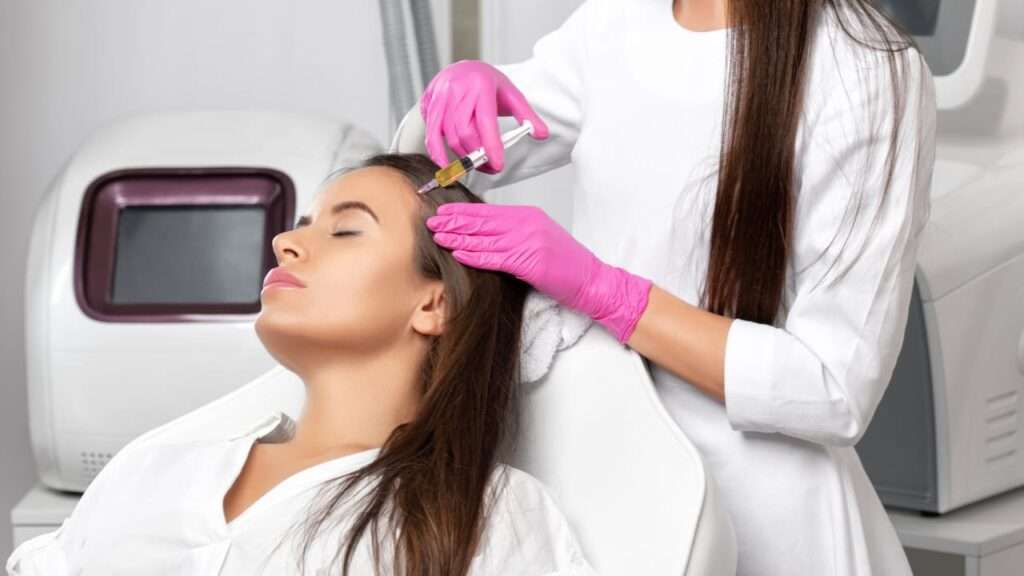
PRP stands for Platelet-Rich Plasma. It’s created by drawing a small amount of the patient’s blood and placing it in a centrifuge.
The centrifuge spins the blood to separate the platelets from other blood components.
The resulting plasma is rich in platelets, which are known for their healing properties.
The historical background of PRP therapy dates back to the 1970s. Initially, it was used in sports medicine and orthopedics to help heal injured muscles, tendons, and ligaments.
Over time, its application expanded to other fields, including dermatology and cosmetic surgery.
PRP therapy for hair restoration began gaining attention in the early 2000s. Researchers discovered that the growth factors in platelets could also stimulate hair follicles.
This led to studies and clinical trials to test its effectiveness for treating hair loss.
The development of PRP therapy for hair restoration has continued to evolve.
Early studies showed promising results, with many patients experiencing significant hair growth after treatment.
As a result, PRP therapy has become a popular option for those who want to combat hair loss.
PRP therapy is suitable for both men and women experiencing hair loss. It can be used alone or in conjunction with other hair restoration treatments, such as medications or hair transplants.
Platelet-Rich Plasma (PRP) is packed with growth factors that play a crucial role in tissue repair and regeneration.
When injected into the scalp, these growth factors stimulate various cellular processes that promote hair growth.
The growth factors in PRP encourage the division and multiplication of cells, which is essential for repairing damaged tissues and promoting healthy growth.
This process is particularly beneficial for hair follicles, which require a healthy environment to thrive.
PRP also stimulates angiogenesis, the formation of new blood vessels. Improved blood flow ensures that hair follicles receive the necessary nutrients and oxygen to function properly. Such enhanced circulation helps to create an optimal environment for hair growth.
Another important effect of PRP is collagen synthesis. Collagen is a protein that provides structure and strength to various tissues, including the skin and hair. PRP helps to strengthen the hair follicles and improve scalp health by boosting collagen production.
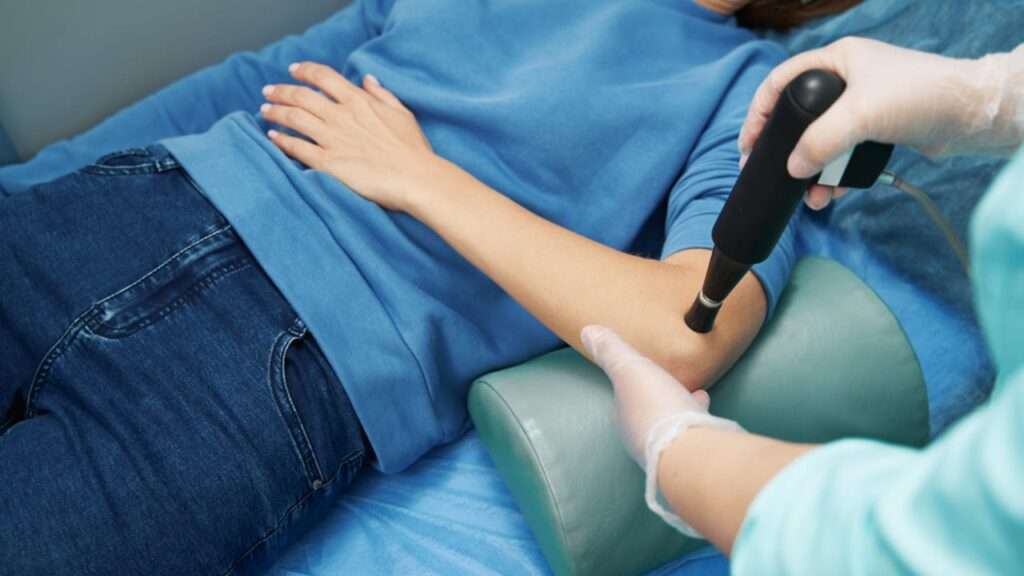
The PRP procedure is completed in steps to make sure the plasma reaches the right places. Here are the key steps involved in PRP for hair restoration:
⦁ Blood Draw
The first step in PRP therapy is drawing a small amount of the patient’s blood. This is similar to a routine blood test and involves collecting blood from a vein in your arm. The amount of blood taken is usually about the same as a standard blood test.
⦁ Centrifugation
Once the blood is drawn, it is placed into a centrifuge, a machine that spins the blood at high speed.
This process separates the blood into its different components to isolate the platelet-rich plasma from the rest of the blood. The spinning process usually takes about 10 to 15 minutes.
⦁ Injection into the Scalp
After the PRP is prepared, it is injected into the areas of the scalp where hair thinning or loss is occurring. Before the injection, your scalp will be typically numbed with a local anesthetic to minimize any discomfort. The aesthetician will then inject PRP into the scalp at multiple points to make sure that the growth factors in the PRP reach the hair follicles.
PRP therapy requires multiple sessions to achieve the best results. Generally, patients undergo monthly treatments for the first four months.
Each session lasts about an hour, including the time needed for the blood draw, centrifugation, and injections.
After the initial four months, maintenance sessions are often recommended, which might be scheduled every three to six months.
Generally, the timeline for visible improvements is around 4-6 weeks after the first treatment. During this period, patients may notice a reduction in hair shedding and an increase in hair density.
Optimal results from PRP therapy are observed after 4-6 months of consistent treatment. By this time, many patients report notable hair growth and an improvement in the hair quality.
One of the most common side effects of PRP therapy is mild pain at the injection sites, which subsides within a few days. Some patients may also experience scalp discomfort, including tenderness and swelling. These symptoms are mild and manageable with over-the-counter pain relievers.
Another common side effect is itching at the injection sites. This itching is a normal response as the scalp begins to heal and regenerate. It may resolve on its own within a few days without requiring any special treatment.
While PRP therapy is generally safe, there are rare but possible risks associated with the procedure. One such risk is bleeding at the injection sites. Although the amount of blood drawn is small, there’s a slight chance of minor bleeding during or after the procedure.
Infection is another rare risk. Since PRP therapy involves injections, there is a small chance of introducing bacteria into the scalp. To minimize this risk, practitioners follow strict sterilization protocols. It’s important to report any signs of infection, such as increased redness, swelling, or fever, to your healthcare provider immediately.
Nerve injuries are also a rare risk. As the scalp contains many small nerves, there’s a slight chance that an injection could damage one of these nerves. This could result in temporary or, in very rare cases, permanent changes in sensation in the scalp area.
The cost of a single PRP session ranges between $500 and $2,000. This price includes the blood draw, the centrifugation process, and the injections.
Such a wide range in cost is due to differences in clinic pricing, geographical location, and the experience level of the practitioner. Clinics in major cities or those with highly experienced practitioners tend to charge more.
⦁ Total Treatment Expenses
PRP therapy for hair restoration requires multiple sessions to achieve the best results. Most patients undergo an initial series of treatments, typically spaced about one month apart. The standard protocol is to have three to four sessions in the first few months, which means that the initial treatment phase can cost between $1,500 and $8,000.
After the initial series, maintenance sessions are often recommended every three to six months to sustain the results. The cost of these maintenance sessions is similar to the initial sessions, ranging from $500 to $2,000 each. Over the course of a year, the total cost for PRP therapy, including maintenance, can range from $2,500 to $12,000 or more.
Who is a good candidate for PRP therapy for hair restoration?
PRP therapy is suitable for both men and women experiencing thinning hair or early-stage hair loss.
How long does each PRP session take?
Each PRP session typically takes about an hour, including preparation and the actual injection process.
Can I wash my hair after a PRP session?
It’s usually recommended to avoid washing your hair for at least 24 hours after a PRP treatment.
Are there any pretreatment requirements for PRP therapy?
Patients should avoid anti-inflammatory medications and alcohol for a few days before the procedure.
Is there any downtime after PRP therapy?
There is minimal to no downtime; most patients can resume normal activities immediately after the treatment.
Can PRP therapy help with all types of hair loss?
PRP therapy is most effective for androgenetic alopecia but may also help with other types of hair loss.
How long do the effects of PRP therapy last?
The effects can last up to 12-18 months, with maintenance sessions recommended to sustain results.
Can PRP therapy cause an allergic reaction?
Since PRP uses your own blood, there is minimal risk of an allergic reaction, but it can happen.
How soon after a hair transplant can I start PRP therapy?
PRP therapy can be started a few weeks after a hair transplant to promote healing and enhance results.
Are there any lifestyle changes I need to make during PRP therapy?
Maintaining a healthy diet and avoiding smoking can improve the effectiveness of PRP therapy for hair restoration.
If you’re ready to give your hair a new life, come to Spartan MD Clinic, and let us take it from there. Our expert surgeons and aestheticians make sure your hair, body, and skin look flawless. So don’t let that hairline go any farther, come to Spartan MD today!
King of Prussia has everything that allows us to provide concierge-level service. We have a white glove service where arrange a hotel, meals and transportation for someone who is coming in from further away. KOP makes this so easy to coordinate because it really has anything we need. Eventually, we want to be present all along the East Coast.