
Dealing with erectile dysfunction can be tough and affect your confidence. If you’re thinking about Botox as a possible fix, you’re not alone. Many men are curious if Botox can help but aren’t sure how it works or if it’s effective.
Here’s the deal: Botox, famous for reducing wrinkles, is now being looked at for erectile dysfunction. It relaxes muscles and can improve blood flow, which might help you get and keep an erection.
You might be asking, does this really work? That’s a good question. Using Botox for erectile dysfunction is pretty new, and while some studies look promising, it’s important to get the facts and talk to a healthcare professional.
In this blog, we’ll explain how Botox might help with erectile dysfunction, what the research says, and whether it’s worth trying.
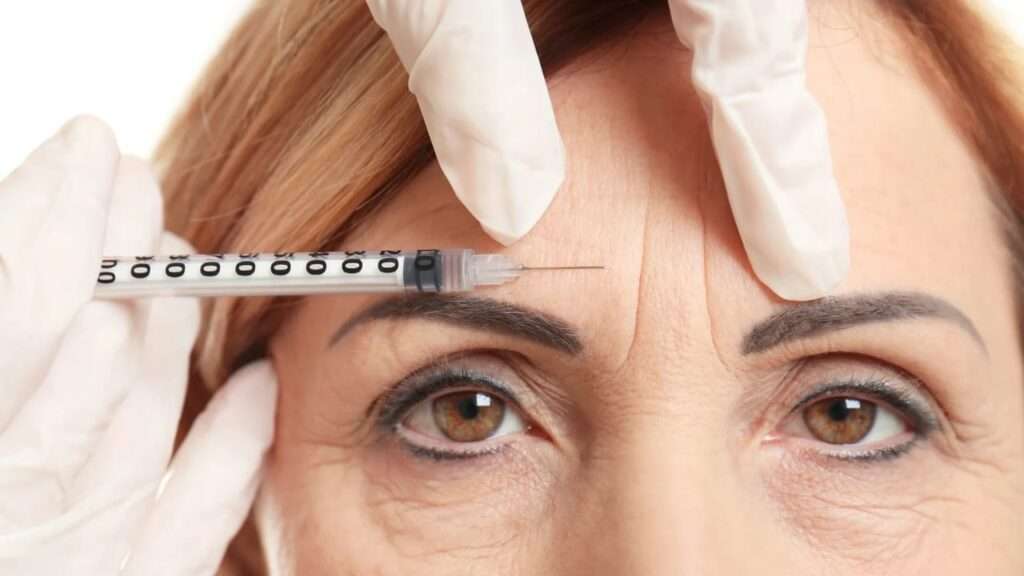
Botox is a drug made from a toxin produced by the bacterium Clostridium botulinum, called botulinum toxin. Though it sounds dangerous, in small, controlled doses, it can have several medical and cosmetic benefits.
Botulinum toxin is a neurotoxin, which means it affects the nerves. When injected into muscles, it blocks nerve signals that cause muscles to contract. Such relaxation of muscles can help reduce wrinkles and treat various medical conditions. Botox is the brand name for this treatment, but there are other brands too.
In cosmetics, Botox is best known for reducing wrinkles. It’s commonly used to smooth out frown lines, crow’s feet, and forehead lines. It helps create a younger appearance by preventing muscle contractions that cause these wrinkles.
Botox treatments are considered safe when administered by a qualified professional. The effects are temporary, usually lasting between three to six months. This means regular treatments are needed to maintain the desired effects.
Erectile dysfunction can be a challenging condition to manage, and botox is emerging as a potential treatment for ED.
As botox works by relaxing muscles its focus for ED is penile muscles. When injected, Botox blocks the nerve signals that cause muscle contractions.
Such relaxation helps improve blood flow to the penis, which is crucial for achieving and maintaining an erection. Better blood flow can enhance erectile function and provides a new approach for men struggling with ED.
⦁ Injection Process
The injection process targets the corpus cavernosum, the sponge-like tissue in the penis that fills with blood during an erection. A healthcare professional administers Botox directly into this area. The procedure is relatively quick and can be done in a medical office. It’s essential to have a qualified professional perform the injections to ensure safety and effectiveness.
Traditional treatments for ED include oral medications like Viagra, Cialis, and Levitra. These medications increase blood flow to the penis, similar to Botox. However, they are taken as needed, whereas Botox injections can provide longer-lasting effects, which may last three to six months.
Research on Botox for ED is still in the early stages, but initial studies are promising. Some small clinical trials have shown that Botox can help improve erectile function in men who have not responded well to other treatments.

The BoCox™ procedure is a specialized treatment for erectile dysfunction that uses Botox injections. Let’s explore its stages to make more sense of the procedure.
⦁ Preparation
Before undergoing the BoCox™ procedure, a thorough medical history review and consultation with a healthcare provider are necessary.
During this consultation, the doctor will assess your health, discuss your symptoms, and determine if you are a suitable candidate for the procedure.
⦁ Procedure Details
The BoCox™ procedure is straightforward and lasts about 15-30 minutes. It begins with the administration of a local anesthetic to numb the area and ensure you are comfortable during the injections.
Once the anesthetic takes effect, the doctor will inject Botox into specific sites within the corpus cavernosum, the sponge-like tissue in the penis that fills with blood during an erection.
The precise injection sites are crucial for maximizing the effectiveness of the treatment and improving blood flow to the penis.
⦁ Post-Procedure Care
After the procedure, it’s important that you follow specific care instructions to ensure proper healing and the best possible results.
The doctor may advise you to avoid strenuous activities and sexual intercourse for a short period, usually a few days to a week, to allow the treated area to heal.
Be noted that mild discomfort or swelling at the injection sites is normal and should subside within a few days. Your healthcare provider will give you detailed post-procedure care instructions and may schedule a follow-up appointment to monitor your progress.
⦁ Effectiveness and Expectations
The effects of the BoCox™ procedure are not immediate and can take a few days to a couple of weeks for the Botox to fully relax the penile muscles and improve blood flow.
The results can last several months, and the procedure may need to be repeated periodically to maintain the benefits.
During follow-up visits, your doctor can assess the effectiveness of the treatment and discuss the need for additional sessions.
⦁ Safety and Side Effects
While the BoCox™ procedure is safe, there are some side effects linked to it. These can include mild pain at the injection site, temporary bruising, and occasional muscle weakness. It’s important to discuss these with your healthcare provider during the consultation to ensure you are fully informed and prepared.


The cost of Botox for erectile dysfunction depend on the provider’s expertise, location, and the specifics of your treatment plan.
On average, a single session can range from $500 to $1,000. This cost typically covers the consultation, the Botox itself, and the procedure.
Since Botox for ED is considered an off-label use, it is usually not covered by insurance so you will likely need to pay out-of-pocket for the treatment.
How do I prepare for the Botox ED procedure?
Avoid blood thinners and follow your doctor’s specific instructions before the procedure.
Is Botox for ED FDA-approved?
No, Botox for ED is not currently FDA-approved, but research is ongoing.
How long does the Botox procedure take?
The procedure typically takes 15-30 minutes.
Does the Botox injection for ED hurt?
Local anesthesia is used to minimize pain during the injection.
Are there any side effects?
Common side effects include mild pain, bruising, and temporary muscle weakness.
How soon can I resume normal activities after the procedure?
Most men can resume normal activities within a few days, but avoid strenuous activities for about a week.
How long do the effects of Botox for ED last?
The effects generally last between three to six months.
How often will I need to repeat the Botox treatment?
Treatments are typically repeated every three to six months.
Who is a good candidate for Botox for ED?
Men who have not responded well to traditional ED treatments may consider Botox after consulting with a healthcare provider.
If you want to try Botox for erectile dysfunction, make sure you consult a specialist doctor for the treatment. Here at Spartan MD, our team has hands-on experience with sexual wellness treatments and therapies. So share your concerns with us and get timely help!
King of Prussia has everything that allows us to provide concierge-level service. We have a white glove service where arrange a hotel, meals and transportation for someone who is coming in from further away. KOP makes this so easy to coordinate because it really has anything we need. Eventually, we want to be present all along the East Coast.